
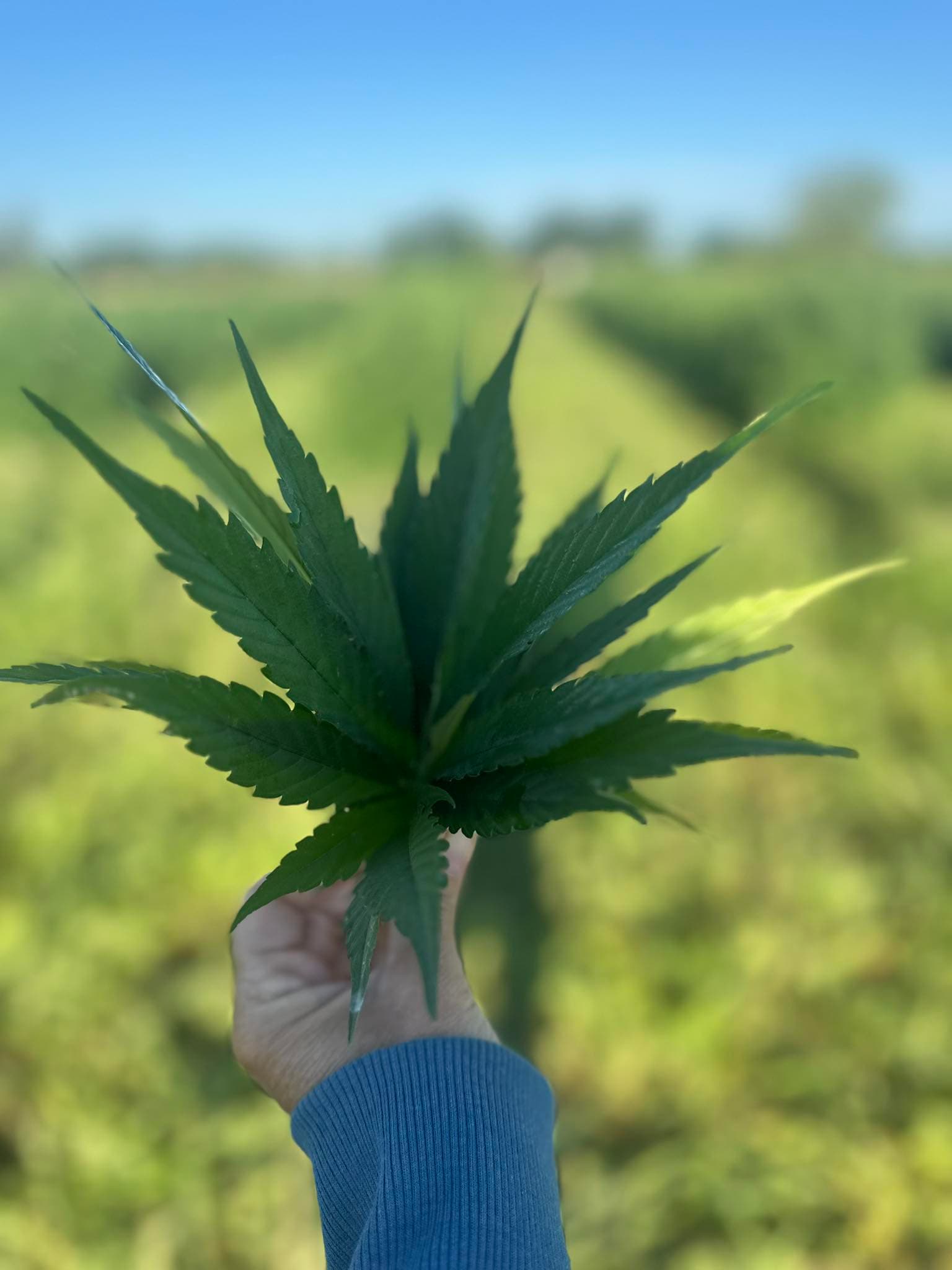
Quit Smoking with CBG Flower: A Better Thing to Smoke
Zero nicotine. Zero THC. The same hand-to-mouth ritual you have been relying on for years. Here is what CBG flower actually is and why some people quitting smoking reach for it.
Last updated: March 2026
The ritual problem that patches can't fix
Nicotine patches, gums, and inhalers address the pharmacological component of cigarette addiction — the nicotine dependency. What they do not address is the behavioral component: the hand-to-mouth motion, the act of stepping outside, the breath rhythm of a smoke break, the pause it creates in an otherwise uninterrupted day.
For many people who smoke, that ritual is as meaningful as the nicotine. It is the five minutes alone. It is the thing you do after a meal or before a meeting. It is the physical habit that the brain has associated with relaxation over years or decades.
Nicotine replacement therapy is highly effective for the addiction. It is largely silent on the ritual. That gap is where something like CBG flower has a role for some people.
What CBG flower actually is
CBG (cannabigerol) is a non-psychoactive cannabinoid found in hemp. CBG flower is dried hemp flower — the same form factor as cannabis or tobacco, but containing neither nicotine nor THC at intoxicating levels. Our flower contains less than 0.3% delta-9 THC by dry weight and zero nicotine.
It is federally legal under the 2018 Farm Bill. You can smoke it in a pipe, roll it in papers, or use it in a dry herb vaporizer. It produces no high and causes no addiction.
What users who smoke CBG flower describe: a mild, earthy smoke, a subtle sense of calm, and the satisfaction of having completed the physical act of smoking — without the nicotine delivery and without the guilt that often follows a cigarette.
How some people use it while quitting
The most common pattern: use nicotine replacement therapy for the pharmacological side of quitting, and use CBG flower for the ritualistic side.
A practical example of how people approach this:
- Start with nicotine patches, gum, or prescription medication as directed by a physician
- When the urge to smoke is about the ritual rather than the nicotine craving, smoke CBG flower instead of a cigarette
- Gradually reduce frequency of both over the transition period
This is harm reduction framing, not a medical protocol. Individual results vary significantly. Some people find it helpful to have something familiar; others find the similarity makes cigarette cravings worse. Know yourself.
What CBG flower does — and does not — do
| Property | Cigarettes | CBG Flower |
|---|---|---|
| Contains nicotine | Yes | No |
| Psychoactive | Yes (nicotine) | No |
| Addictive (pharmacologically) | Yes (nicotine) | No known addictive properties |
| Smokable form factor | Yes | Yes |
| Can be vaporized | No (tobacco use only) | Yes (dry herb vaporizer) |
| Preserves hand-to-mouth ritual | Yes | Yes |
| Federally legal | Yes (regulated) | Yes (Farm Bill compliant) |
This table presents factual product properties. It does not constitute a medical claim or recommendation. Any combustion product carries inherent risk.
The vaporizer option
If you are using CBG flower as a smoking alternative and you care about reducing combustion, a dry herb vaporizer is worth considering. Vaporizing heats the flower to 350–375°F — hot enough to activate the cannabinoids and terpenes but below the temperature of combustion.
The result: a cleaner, more consistent experience, no ash, and significantly less combustion byproduct than smoking. Many people who use CBG flower as a cigarette alternative prefer a vaporizer precisely because it feels less like smoking while still preserving the breath rhythm and hand-to-mouth ritual.
Honest limitations
CBG flower will not satisfy a nicotine craving. It does not contain nicotine and it does not bind to nicotinic acetylcholine receptors the way nicotine does. If your driving need is pharmacological — if the craving is chemical — CBG flower will not scratch that itch.
What it can do: give your hands something to do, your breath something familiar, and your ritual a place to land while you handle the nicotine side separately. For people who find that the behavioral component of smoking is as hard to quit as the chemical one, that is genuinely useful.
We believe in honest positioning. "A better thing to smoke" does not mean it solves the whole problem. It means it is a legitimate, nicotine-free option for the ritual side — and for many people who are trying to quit, that matters.
Frequently asked questions
Does CBG flower contain nicotine?
No. Zero nicotine, zero THC at intoxicating levels. It is dried hemp flower — a plant product, not a tobacco product.
Can CBG flower help you quit smoking?
CBG flower is not a smoking cessation therapy and we make no medical claims. It is a nicotine-free, non-psychoactive alternative that preserves the physical ritual of smoking for some people transitioning away from cigarettes.
Is CBG flower safer than cigarettes?
CBG flower contains no nicotine and no tobacco. However, any combustion product carries inherent risk. We do not claim CBG flower is safe or risk-free. A dry herb vaporizer is a lower-combustion option worth considering.
What does CBG flower feel like compared to a cigarette?
No nicotine effect, no THC high. It may support a sense of calm and mild ease. The experience is the act of smoking — the breath, the pause, the ritual — without the nicotine delivery.
A better thing to smoke
Zero nicotine. Zero THC. Farm-direct from Michigan. Third-party lab tested.